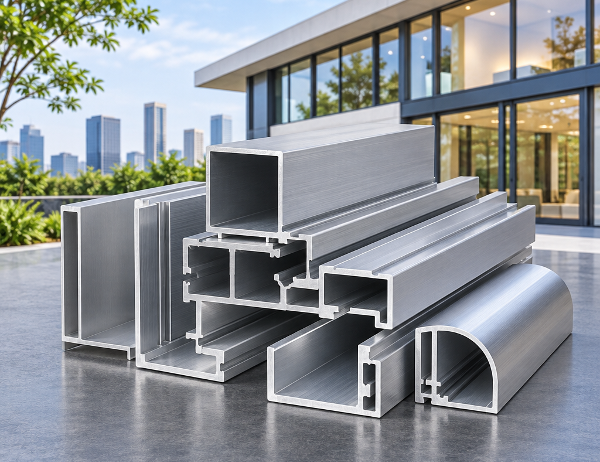
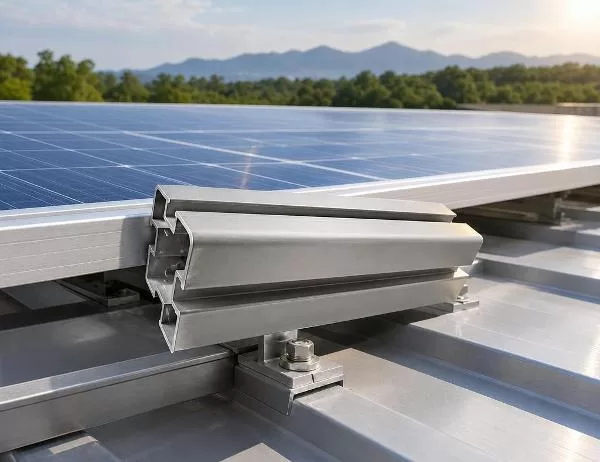
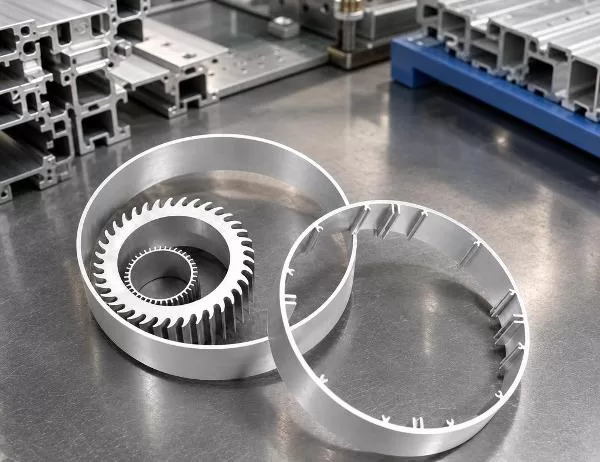
Extruded aluminium tubes are a versatile and cost-effective solution for a wide range of applications, from structural components to fluid handling systems. Understanding the characteristics and design considerations of extruded aluminium tubes is essential for specifying the right product for your project. This guide will provide a comprehensive overview of the key factors to consider when specifying extruded aluminium tubes, ensuring optimal performance and value for your project.
The choice of aluminium alloy plays a crucial role in determining the mechanical properties, corrosion resistance, and workability of extruded tubes. Common alloys used for extrusion include 6063, 6061, and 6082. 6063 is a versatile alloy with good strength and corrosion resistance, making it suitable for general-purpose applications. 6061 offers higher strength and is commonly used for structural components and precision engineering. 6082 combines high strength with excellent weldability, making it ideal for applications requiring both strength and ease of fabrication.
The temper designation indicates the specific heat treatment applied to the extruded tube. Different tempers result in varying combinations of strength, hardness, and ductility. Common tempers include O, T4, T6, and T651. O temper indicates a soft and ductile tube, suitable for bending and forming operations. T4 provides increased strength while maintaining good ductility. T6 offers the highest strength but reduced ductility. T651 achieves a balance between strength and ductility, making it a versatile option for many applications.
The wall thickness of the extruded tube determines its strength, weight, and rigidity. Thicker walls provide greater strength and rigidity, but also increase weight and cost. The wall thickness should be specified based on the loads and stresses that the tube will experience in its intended application. For structural applications, thicker walls are typically required to withstand higher loads. For fluid handling systems, thinner walls may be sufficient to reduce weight and cost.
The surface finish of the extruded tube can impact its appearance and corrosion resistance. Common surface finishes include mill finish, anodizing, and powder coating. Mill finish is the raw extruded surface, providing a natural appearance. Anodizing creates a protective oxide layer on the surface, enhancing corrosion resistance and aesthetics. Powder coating is a durable and versatile finish that provides a wide range of colors and textures. The choice of surface finish should be made based on the desired appearance and performance requirements.
Dimensional tolerances define the permissible variations in the dimensions of the extruded tube. These tolerances are important for ensuring proper fit and functionality in the final assembly. Extruded tubes can be produced with a range of dimensional tolerances, depending on the manufacturing capabilities and the requirements of the application. Tighter tolerances typically result in higher production costs. The specified tolerances should reflect the required accuracy and precision for the intended application.
Ensuring the quality of the extruded aluminium tubes is essential for reliable performance and longevity. The supplier should be able to provide documentation and certifications that attest to the quality of their products. This includes certifications for ISO 9001 quality management systems and industry-specific standards. The supplier should also have a robust testing and inspection program to verify the dimensional accuracy, mechanical properties, and surface finish of their extruded tubes.
By following the guidelines outlined in this guide, engineers and project managers can specify extruded aluminium tubes that meet the specific requirements of their projects. Considering factors such as alloy selection, temper designation, wall thickness, surface finish, dimensional tolerances, and quality assurance will ensure the optimal performance and value for the intended application.