“Installing Solar Panels with Aluminium Profiles: Step-by-Step Guide” is an informative guide that provides a detailed overview of the process involved in installing solar panels using aluminium profiles. This article serves as a valuable resource for individuals and professionals seeking to understand the intricacies of solar panel installation with aluminium profiles.
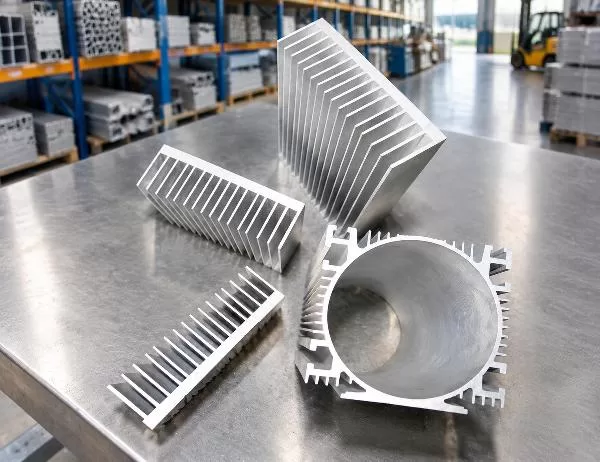
Prior to installation, it is essential to plan the layout of the solar panels, determine the required materials, and assess the structural stability of the mounting surface. Aluminium profiles play a crucial role in the mounting system, providing durability, flexibility, and ease of installation.
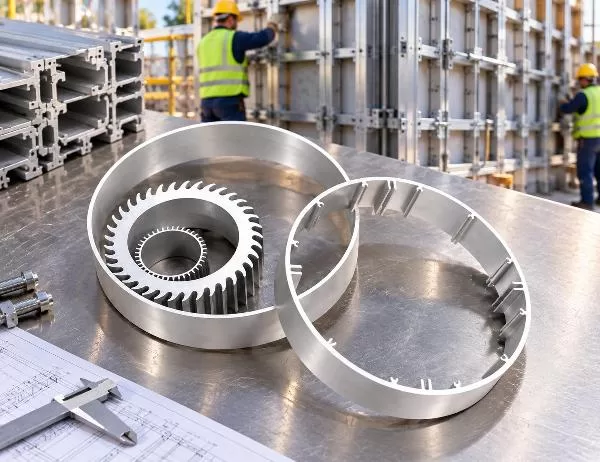
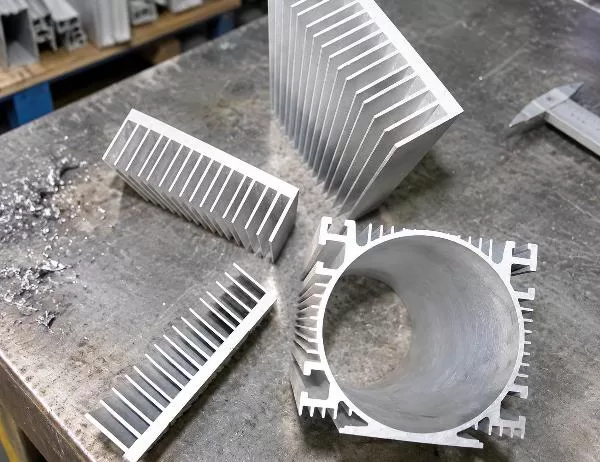
The installation process requires various materials and tools, including aluminium profiles, solar panels, mounting brackets, fasteners, and wiring components. Aluminium profiles are typically made of high-quality aluminium alloy, ensuring corrosion resistance and longevity. Additionally, specialized tools, such as drills, wrenches, and a torque wrench, are necessary for proper installation.
The mounting process involves attaching the aluminium profiles to the mounting surface using appropriate fasteners. The profiles provide a secure base for the solar panels, allowing for precise alignment and stability. The spacing and orientation of the profiles depend on the specific solar panel configuration and the intended performance optimization.
Once the aluminium profiles are securely mounted, the solar panels can be installed. Solar panels are typically attached to the profiles using mid-clamps or end-clamps, ensuring a firm hold. Proper handling and alignment of the solar panels are essential to avoid damage and ensure optimal performance.
The electrical wiring and interconnection stage involves connecting the solar panels to each other and to the electrical system. The use of appropriate wiring, connectors, and junction boxes ensures safe and efficient transfer of electrical energy. Proper grounding and polarity checks are also crucial for system reliability and safety.
After the installation is complete, the solar panel system should be commissioned to verify its functionality and performance. This includes testing the electrical output, inspecting for any potential issues, and ensuring compliance with safety standards. Regular monitoring of the system is recommended to track its performance and identify any maintenance needs.
Installing solar panels with aluminium profiles offers numerous advantages, including increased durability, ease of installation, flexibility in design, and reduced maintenance requirements. However, factors such as local building codes, weather conditions, and the availability of skilled installers should be carefully considered during planning and execution.
By following the steps outlined in “Installing Solar Panels with Aluminium Profiles: Step-by-Step Guide,” individuals can gain a comprehensive understanding of the process and make informed decisions regarding their solar energy installations. This guide empowers readers to maximize the benefits of solar panels and contribute to a cleaner and more sustainable energy future.