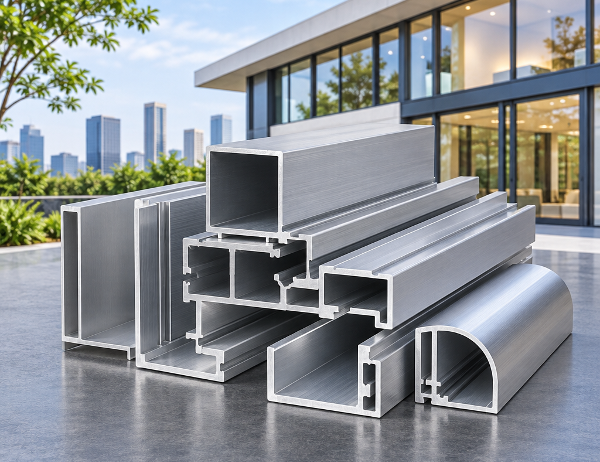
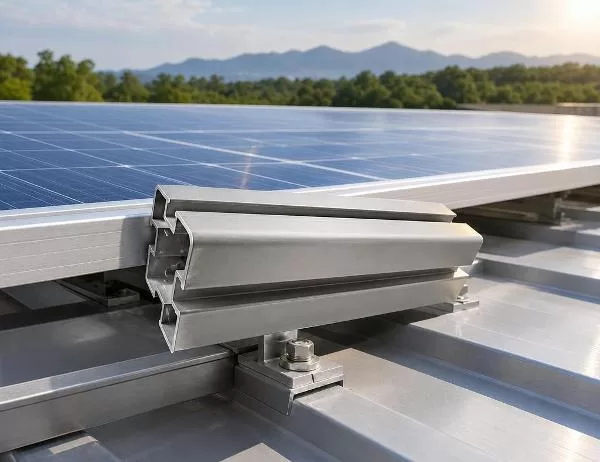
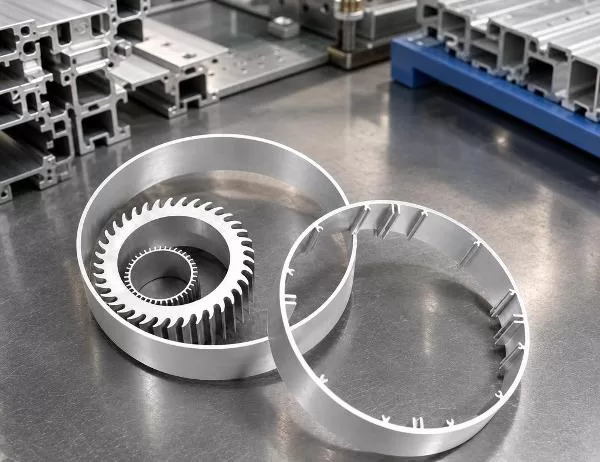
Extruded aluminum pipes offer a remarkable combination of strength, durability, and flexibility, making them an ideal choice for various industrial and architectural applications. To ensure optimal performance and longevity, careful consideration of specific key features is essential when selecting extruded aluminum pipes. This comprehensive guide explores the crucial factors to evaluate before making a selection, empowering readers to make informed decisions that meet their specific requirements.
The alloy composition and temper of extruded aluminum pipes significantly influence their properties. Different alloys offer distinct characteristics, ranging from exceptional strength and hardness to enhanced corrosion resistance and weldability. The specified temper further modifies the material’s properties through specific heat treatments, influencing factors such as strength, ductility, and workability. Careful selection ensures the pipe’s suitability for the intended application.
The dimensions and tolerances of extruded aluminum pipes are critical for achieving proper fit and functionality within a system. Pipe diameter, wall thickness, and length must be specified precisely to ensure compatibility with other components. Tight tolerances are necessary for applications requiring precise alignment and connections, while looser tolerances may suffice for less demanding applications.
The surface finish of extruded aluminum pipes plays a crucial role in aesthetics, performance, and durability. Various surface treatments, such as anodizing, chromating, and powder coating, are available to enhance corrosion resistance, improve wear resistance, and achieve specific aesthetic effects. The desired surface finish should be determined based on the application’s environmental conditions and cosmetic requirements.
Mechanical Properties
The mechanical properties of extruded aluminum pipes are vital for ensuring structural integrity and performance. Tensile strength, yield strength, and elongation are essential parameters to consider. High tensile strength is necessary for applications where the pipe will bear significant loads, while high yield strength is critical for preventing permanent deformation under stress. Elongation indicates the material’s ductility and its ability to withstand deformation before failure.
Corrosion resistance is a key consideration, especially for extruded aluminum pipes exposed to harsh or corrosive environments. Certain aluminum alloys, such as 6061 and 6063, exhibit excellent corrosion resistance due to the formation of a protective oxide layer. Additional corrosion protection can be achieved through surface treatments like anodizing, which enhances the natural oxide layer and improves durability.
Formability and weldability are important factors when extruded aluminum pipes are subjected to bending, shaping, or welding processes. Alloys with high formability can be easily bent or shaped without compromising their integrity, while good weldability ensures reliable connections between pipe sections. The desired formability and weldability should be evaluated based on the intended fabrication and assembly methods.
Conclusion
Selecting the appropriate extruded aluminum pipes requires careful consideration of key features such as alloy composition, dimensions, surface finish, mechanical properties, corrosion resistance, and formability. By thoroughly evaluating these factors and aligning them with the specific requirements of the application, engineers and designers can make informed decisions that optimize performance, durability, and aesthetic appeal. Understanding the interplay between these features empowers professionals to specify extruded aluminum pipes that meet the demands of their projects and ensure long-term success.