Maintenance Guide for Extruded Aluminum Tubes: Ensuring Optimal Performance and Durability
In the labyrinthine world of industrial machinery, extruded aluminum tubes serve as the backbone of countless systems, from automotive cooling to high-pressure hydraulics. These precision-engineered conduits are the lifeblood of countless operations, and their proper maintenance is paramount for ensuring smooth and efficient performance.
Understanding the Beast: Materials, Design, and Applications
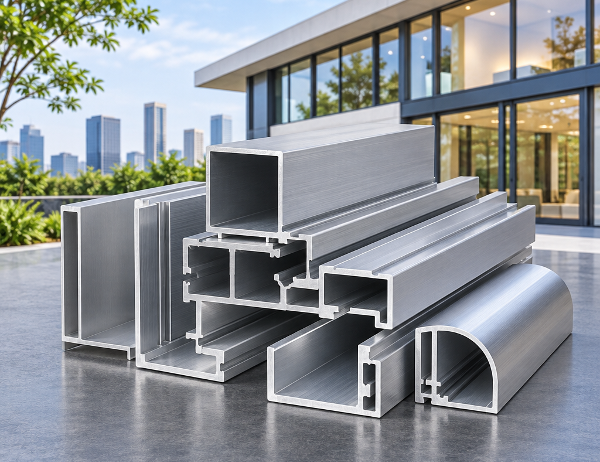
Extruded aluminum tubes are crafted from alloys that combine the strength of aluminum with the resilience of other elements. Their seamless construction and customizable dimensions make them ideal for a vast array of applications, including:
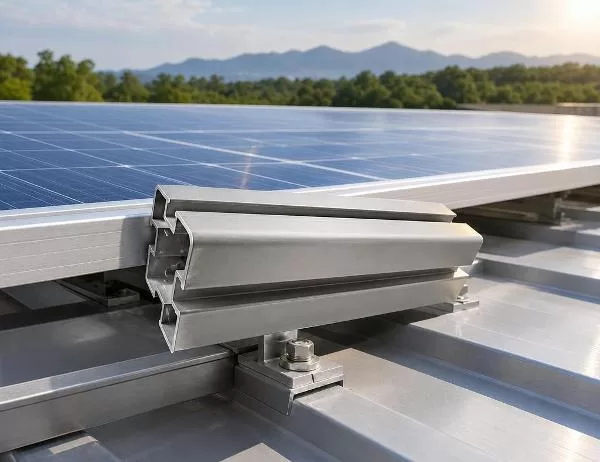
Structural components: Lightweight and corrosion-resistant, aluminum tubes provide exceptional strength-to-weight ratios in frameworks and supports.
Fluid transfer: Aluminum’s non-reactive nature makes it suitable for transporting liquids and gases, from cooling systems to high-pressure cylinders.
Electrical busbars: With high electrical conductivity, aluminum tubes facilitate the distribution of power in electrical systems.
Maintenance Essentials: Keeping the Tubes in Top Shape
Preserving the integrity and functionality of extruded aluminum tubes requires a proactive approach to maintenance. Regular inspections and proper handling are crucial for extending their lifespan and ensuring optimal performance:
Inspections: Periodic visual examinations can detect signs of wear, corrosion, or damage. Focus on areas prone to stress, such as bends or connections.
Cleaning: Remove dirt, debris, and contaminants from the exterior and interior surfaces of the tubes. Use appropriate cleaning solutions and cleaning methods to avoid damaging the material.
Lubrication: Moving parts may require lubrication to reduce friction and prevent wear. Use a lubricant compatible with the aluminum alloy and the specific application.
Handling: Handle aluminum tubes carefully to prevent dents, scratches, or excessive bending. Use proper lifting equipment and protect the tubes from impacts.
Storage: Store aluminum tubes in a dry, well-ventilated environment. Exposure to moisture or chemical vapors can accelerate corrosion.
Warning Signs: Detecting Issues Early On
Timely detection of problems can prevent costly breakdowns and ensure the safety and reliability of aluminum tube systems. Look for these warning signs:
Corrosion: Discoloration, pitting, or flaking can indicate corrosion. Address the issue promptly to prevent structural weakening.
Dents or cracks: Physical damage can compromise the integrity of the tubes. Inspect for any signs of impact or mishandling.
Leaks: Leaks can signal breaches in the tube’s structure. Determine the source of the leak and take immediate action to prevent further damage.
Unusual vibrations or noises: Excessive vibrations or unusual noises may indicate loose connections or other functional issues. Investigate the cause and address it promptly.
By following these maintenance guidelines, you can harness the full potential of extruded aluminum tubes, ensuring their longevity and maximizing their contribution to your industrial operations.