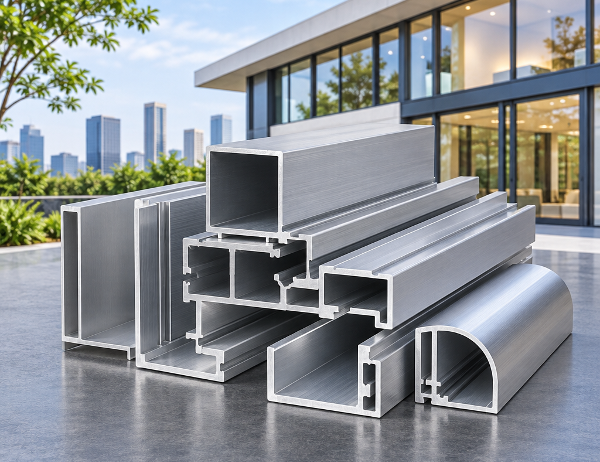
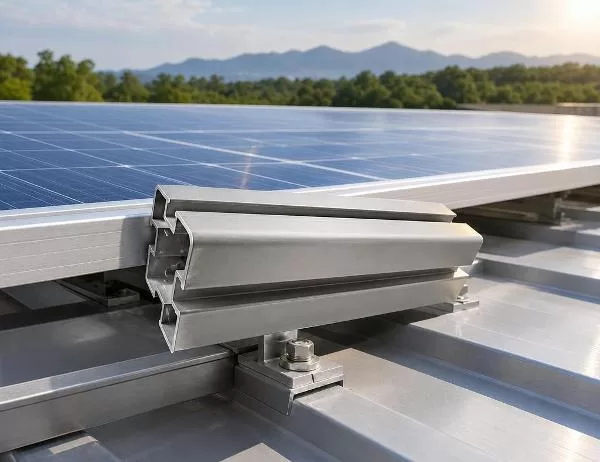
The solar industry has seen significant advancements in recent years, with the introduction of new technologies and materials. One of the most notable developments is the increasing use of aluminum solar panel frames. This article explores the evolution of aluminum solar panel frames, highlighting their advantages and the factors driving their adoption.
Lightweight and Durability
Aluminum is a lightweight material, making it ideal for solar panels that need to be installed on rooftops or other elevated surfaces. Aluminum frames are also highly durable and resistant to corrosion, ensuring longevity in harsh weather conditions. Unlike steel frames, aluminum frames do not rust, reducing the risk of structural damage and ensuring the panel’s performance over its lifetime.
Cost-Effectiveness
Aluminum is a relatively inexpensive material compared to other frame options like stainless steel. This affordability makes aluminum frames a cost-effective solution for solar panel manufacturers and installers. The lightweight nature of aluminum also reduces shipping and installation costs, contributing to overall project savings.
Aesthetics and Versatility
Aluminum solar panel frames offer aesthetic advantages over traditional steel frames. They are available in a variety of colors and finishes, allowing for Customization to match the architectural design of buildings and landscapes. Additionally, aluminum frames are versatile and can be easily shaped and cut to fit various panel sizes and configurations.
Structural Integrity
Aluminum frames are engineered to withstand the mechanical stresses associated with solar panel installation and operation. They provide stability and support to the solar panels, ensuring they remain firmly in place even during high winds or seismic events. The lightweight nature of aluminum frames also reduces the weight on the structure, making them suitable for installations on lightweight rooftops or other delicate surfaces.
Environmental Sustainability
Aluminum is a highly recyclable material, making it an environmentally friendly choice for solar panel frames. The recycling process is energy-efficient, reducing the environmental impact compared to non-recyclable materials like steel. By using aluminum frames, solar panel manufacturers can contribute to the circular economy and promote sustainable practices in the industry.
Conclusion
The evolution of aluminum solar panel frames has revolutionized the solar industry. Their lightweight, durability, cost-effectiveness, aesthetics, structural integrity, and environmental sustainability make them the preferred choice for manufacturers and installers. As the solar sector continues to grow, the demand for aluminum solar panel frames is expected to rise, further driving innovation and advancements in the field.