Tips for Designing Cost-Effective Projects with Extruded Aluminum Tubes
Introduction
Extruded aluminum tubes offer a lightweight, durable, and versatile solution for designing cost-effective projects. By understanding the properties and applications of extruded aluminum tubes, engineers and designers can optimize their designs while minimizing costs. This article presents essential tips for designing with extruded aluminum tubes, ensuring both functionality and affordability.
Material Selection
Alloy: Consider the strength, corrosion resistance, and weldability requirements of the project. Aluminum alloys such as 6061 and 6063 offer a good balance of properties at reasonable cost.
Wall Thickness: Determine the structural requirements and select an appropriate wall thickness to meet performance criteria without oversizing the tube.
Surface Finish: Choose a surface finish that suits the aesthetics and functional requirements of the project. Anodizing provides corrosion resistance and durability, while powder coating offers a wider range of colors.
Design Considerations
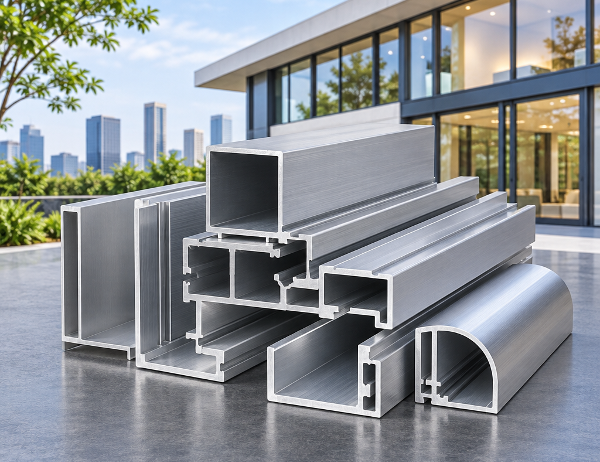
Profile Design: Optimize the tube profile to minimize material usage and maximize structural efficiency. Consider hollow sections, ribbed surfaces, and tapered shapes to reduce weight and cost.
Joint Design: Plan for efficient jointing methods, such as welding, riveting, or mechanical fasteners. Consider the load transfer requirements and accessibility for assembly.
Tolerances: Specify precise tolerances for the dimensions and tolerances. This ensures proper fit and minimizes the need for expensive precision machining.
Manufacturing Process
Extrusion Die Design: Design the extrusion die to produce a tube with the desired shape, dimensions, and surface finish. Collaboration with an experienced extrusion manufacturer is crucial for optimizing die design and reducing production costs.
Extrusion Parameters: Optimize extrusion parameters such as speed, temperature, and lubrication to improve surface quality, reduce defects, and enhance material properties.
Post-Extrusion Processes: Consider processes like annealing or hardening to modify material properties or enhance specific performance characteristics.
Cost-Saving Strategies
Batch Ordering: Order tubes in larger quantities to obtain discounts and reduce shipping costs.
Standard Sizes: Utilize standard tube sizes rather than customizing to reduce setup and tooling costs.
Alternative Materials: Explore alternative materials such as aluminum composites or carbon fiber tubes for projects where specific properties outweigh the cost of aluminum.
Automation: Implement automated processes for cutting, bending, and assembly to reduce labor costs and increase efficiency.
Conclusion
By following these tips, engineers and designers can effectively design cost-effective projects using extruded aluminum tubes. Careful material selection, optimized design considerations, efficient manufacturing processes, and strategic cost-saving strategies enable the realization of high-quality projects without compromising affordability. Understanding the factors that influence cost and adopting innovative approaches empower engineers to deliver exceptional results within budget constraints.