Introduction
Aluminum profiles have gained immense popularity in the construction industry due to their versatility, strength, and durability. However, designing cost-effective structures with aluminum profiles requires careful consideration. “Tips for Designing Cost-Effective Structures with Aluminum Profiles” offers valuable insights and practical strategies to help you achieve both structural integrity and affordability in your projects.
Optimize Material Usage
– Minimize waste: By optimizing the cutting and assembly processes, you can significantly reduce material waste. Utilize nesting software to create efficient cutting patterns and minimize offcuts.
– Consider standard profiles: Opting for standard aluminum profiles over custom shapes can reduce costs as standard profiles are readily available and often have lower unit prices.
– Reduce thickness: Evaluate the structural requirements and consider using thinner profiles where possible. This can lead to substantial material savings without compromising stability.
Efficient Joint Design
– Maximize continuity: Designing structures with fewer joints minimizes the need for costly connectors and simplifies assembly, reducing labor costs and speeding up construction time.
– Use mechanical connections: Mechanical connections, such as bolts, rivets, and self-tapping screws, are generally more cost-effective than welding or adhesives. They also provide the flexibility to adjust or disassemble structures as needed.
– Utilize extruded connections: Extruded profiles can incorporate built-in connectors, eliminating the need for separate brackets or plates. This can significantly reduce assembly time and costs.
Lightweight Design
– Employ triangulation: Triangulation, connecting members with diagonals, enhances structural stability without adding excessive weight. This allows you to use lighter, more cost-effective profiles.
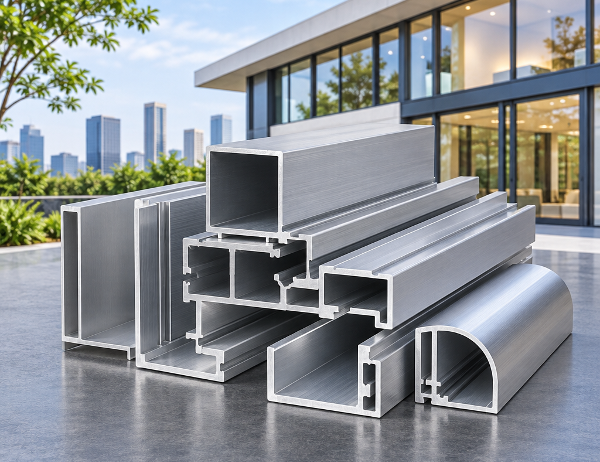
– Optimize cross-sectional shapes: Consider using hollow sections, such as tubes or channels, which provide strength and stiffness while minimizing weight.
– Use high-strength alloys: Opting for aluminum alloys with higher strength-to-weight ratios allows you to use smaller profiles without sacrificing structural integrity.
Design for Manufacturability
– Modularize components: Dividing structures into smaller, modular components enables efficient production and assembly. This minimizes errors, reduces waste, and accelerates construction.
– Simplify assembly: Design structures to minimize the number of assembly steps and eliminate unnecessary adjustments. This reduces labor costs and project timelines.
– Leverage automation: Incorporating automated cutting and assembly equipment can increase productivity, reduce labor costs, and ensure consistent quality.
Conclusion
By implementing the tips outlined in “Tips for Designing Cost-Effective Structures with Aluminum Profiles,” you can significantly reduce material and labor expenses while ensuring the structural integrity of your projects. By carefully considering material usage, implementing efficient joint designs, optimizing weight, designing for manufacturability, and leveraging automation, you can achieve both cost-effectiveness and structural excellence in your aluminum profile structures.