Aluminum alloy pipes have become increasingly popular in various industries due to their lightweight, strength, and corrosion resistance. As technology advances, the design of these pipes has evolved to meet the changing demands of engineers and architects. This article explores the key trends shaping the design of aluminum alloy pipes, providing insights into the latest innovations and their impact on various applications.
One of the primary trends in aluminum alloy pipe design is the focus on reducing weight while maintaining or improving strength. By optimizing the alloy composition and using advanced forming techniques, manufacturers have been able to create pipes that are significantly lighter than their traditional counterparts. This weight reduction translates into reduced transportation costs, improved fuel efficiency, and enhanced structural integrity in applications where weight is a critical factor.
Aluminum alloys are naturally resistant to corrosion, but modern design trends have further enhanced this property. By incorporating protective coatings and treatments, such as anodization and powder coating, manufacturers have increased the ability of aluminum alloy pipes to withstand harsh environments and corrosive agents. This enhanced corrosion resistance makes them ideal for applications in marine, chemical processing, and food handling industries.
Sustainability has become a major consideration in the design of aluminum alloy pipes. Aluminum is a highly recyclable material, and modern manufacturing processes have focused on minimizing waste and reducing the environmental impact of pipe production. By using recycled materials and implementing eco-friendly technologies, manufacturers have created pipes that meet the demands of sustainability while maintaining their performance characteristics.
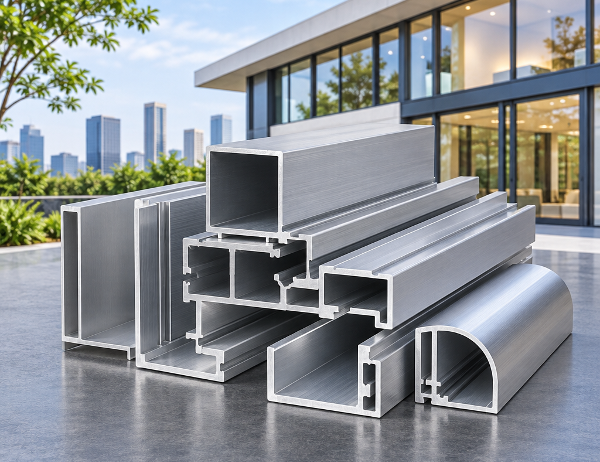
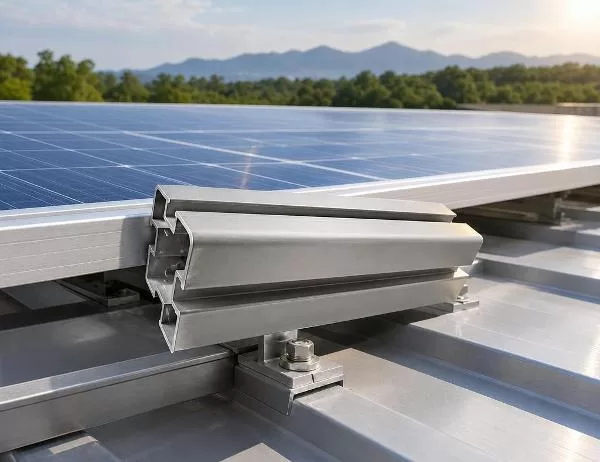
Aluminum alloy pipes offer a remarkable level of versatility, allowing them to be used in a wide range of applications. Their lightweight, strength, and corrosion resistance make them suitable for industries such as aerospace, automotive, construction, and energy. The design of these pipes has been tailored to meet the specific requirements of each industry, resulting in customized solutions that optimize performance and efficiency.
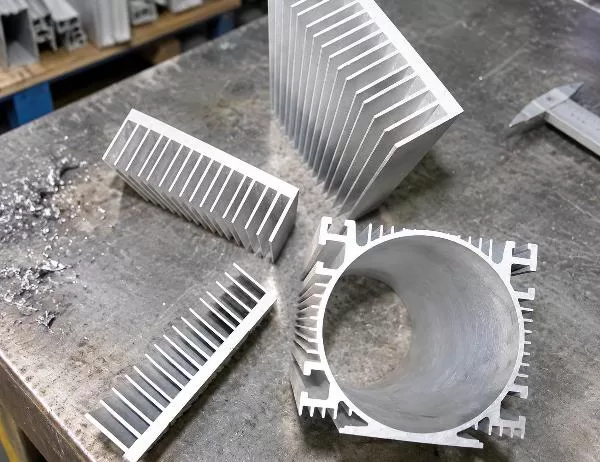
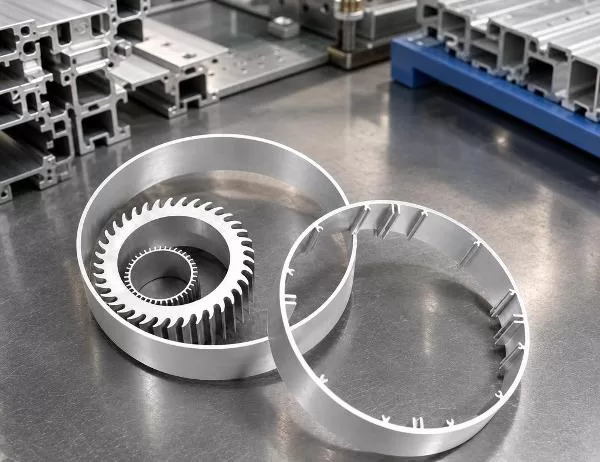
Advances in manufacturing techniques have played a significant role in the evolution of aluminum alloy pipe design. The use of high-precision extrusion, roll forming, and welding technologies has enabled manufacturers to produce pipes with complex geometries, tight tolerances, and superior surface finishes. These advanced techniques have opened up new possibilities for using aluminum alloy pipes in applications where precise dimensions and complex shapes are essential.
Conclusion
The design of aluminum alloy pipes has undergone significant advancements to meet the evolving needs of various industries. By focusing on lightness and strength, corrosion resistance, sustainability, versatility, and advanced manufacturing techniques, manufacturers have created pipes that offer exceptional performance and value. These design trends have expanded the applications of aluminum alloy pipes and positioned them as a preferred choice for engineers and architects seeking durable, lightweight, and environmentally friendly solutions.