Understanding Solar Panel Aluminum Extrusions: A Comprehensive Guide
The comprehensive guide, “Understanding Solar Panel Aluminum Extrusions: A Complete Guide,” offers an in-depth exploration of the critical role aluminum extrusions play in the construction of solar panels. This article highlights the key aspects of this guide, providing valuable insights into the engineering, design, and application of aluminum extrusions in the renewable energy sector.
Design Considerations and Structural Integrity
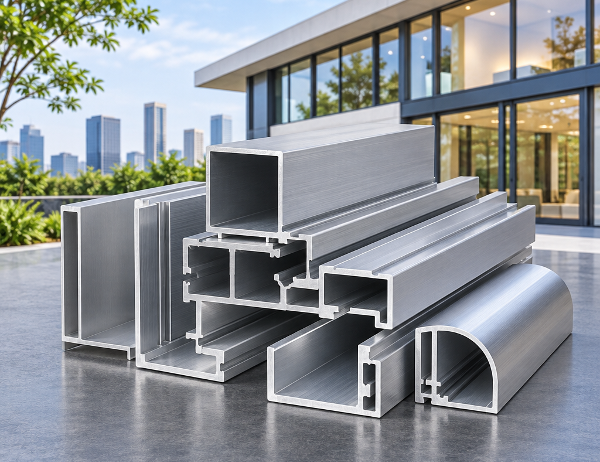
The guide emphasizes the importance of design considerations for solar panel aluminum extrusions. It explores the various shapes and sizes of extrusions, discussing how they influence the structural integrity of solar panels. Topics covered include extrusion wall thickness, cross-sectional geometry, and durability under environmental stresses. By understanding these design parameters, readers can optimize the performance and longevity of their solar panel systems.
Thermal Management and Electrical Performance
Another crucial aspect addressed in the guide is thermal management and electrical performance. Aluminum extrusions act as heat sinks, dissipating heat generated by the photovoltaic cells and ensuring optimal energy conversion. The guide explores the relationship between extrusion design and thermal performance, providing insights into temperature uniformity and maximizing cell efficiency. Additionally, it discusses the electrical conductivity of aluminum extrusions and how it affects the overall electrical performance of solar panels.
Corrosion Resistance and Environmental Stability
Solar panel aluminum extrusions face exposure to harsh environmental conditions, including moisture, UV radiation, and extreme temperatures. The guide elaborates on the importance of corrosion resistance and environmental stability. It explains how the alloy composition and surface treatments influence the ability of extrusions to withstand these challenges, ensuring long-term durability and performance in outdoor settings.
Manufacturing Processes and Quality Assurance
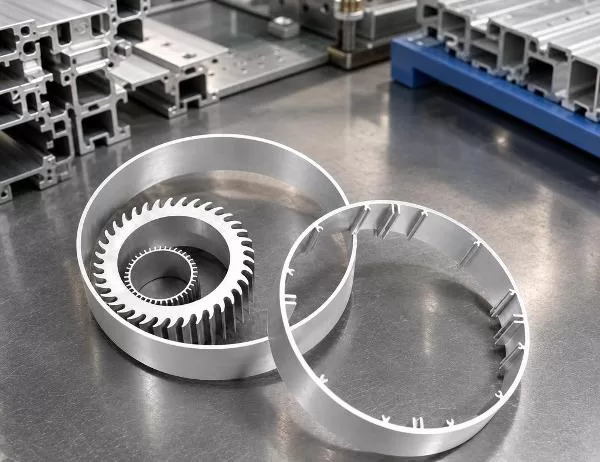
The guide delves into the manufacturing processes involved in producing solar panel aluminum extrusions. It discusses the techniques used for shaping, bending, and anodizing extrusions. Quality assurance measures are also explored, emphasizing the importance of adhering to industry standards and rigorous testing protocols. By understanding these manufacturing and quality control processes, readers can ensure the reliability and quality of their solar panel systems.
Practical Applications and System Integration
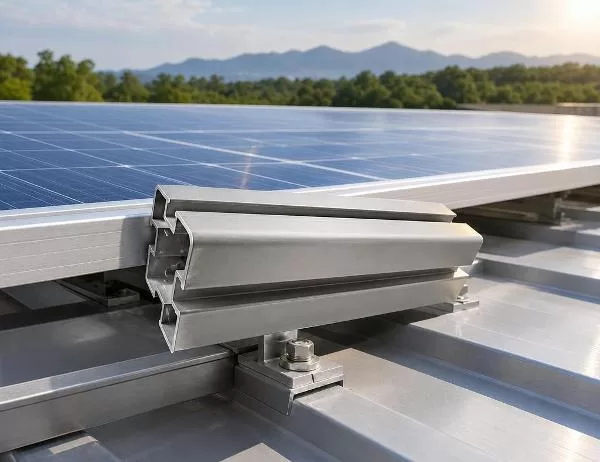
Beyond the theoretical aspects, the guide provides practical guidance on the applications of solar panel aluminum extrusions. It offers insights into the mounting and installation of solar panels, considering factors like wind loads, seismic activity, and roof conditions. By addressing system integration, the guide helps readers navigate the challenges associated with connecting solar panels into complete and efficient energy systems.
Conclusion
In conclusion, “Understanding Solar Panel Aluminum Extrusions: A Complete Guide” provides a comprehensive and informative overview of the engineering, design, and application of aluminum extrusions in the solar industry. By delving into the various aspects discussed above, this guide empowers readers with the knowledge necessary to make informed decisions and optimize the performance and lifespan of their solar panel systems. Whether you are an industry professional, a homeowner considering solar installation, or simply interested in the latest advancements in renewable energy, this guide offers valuable insights and practical guidance.